
Learn how to tell if packaging supply is reliable by checking samples, quality records, sourcing transparency, lead times, and written terms.
How to Tell if Your Packaging Supplier Is Reliable
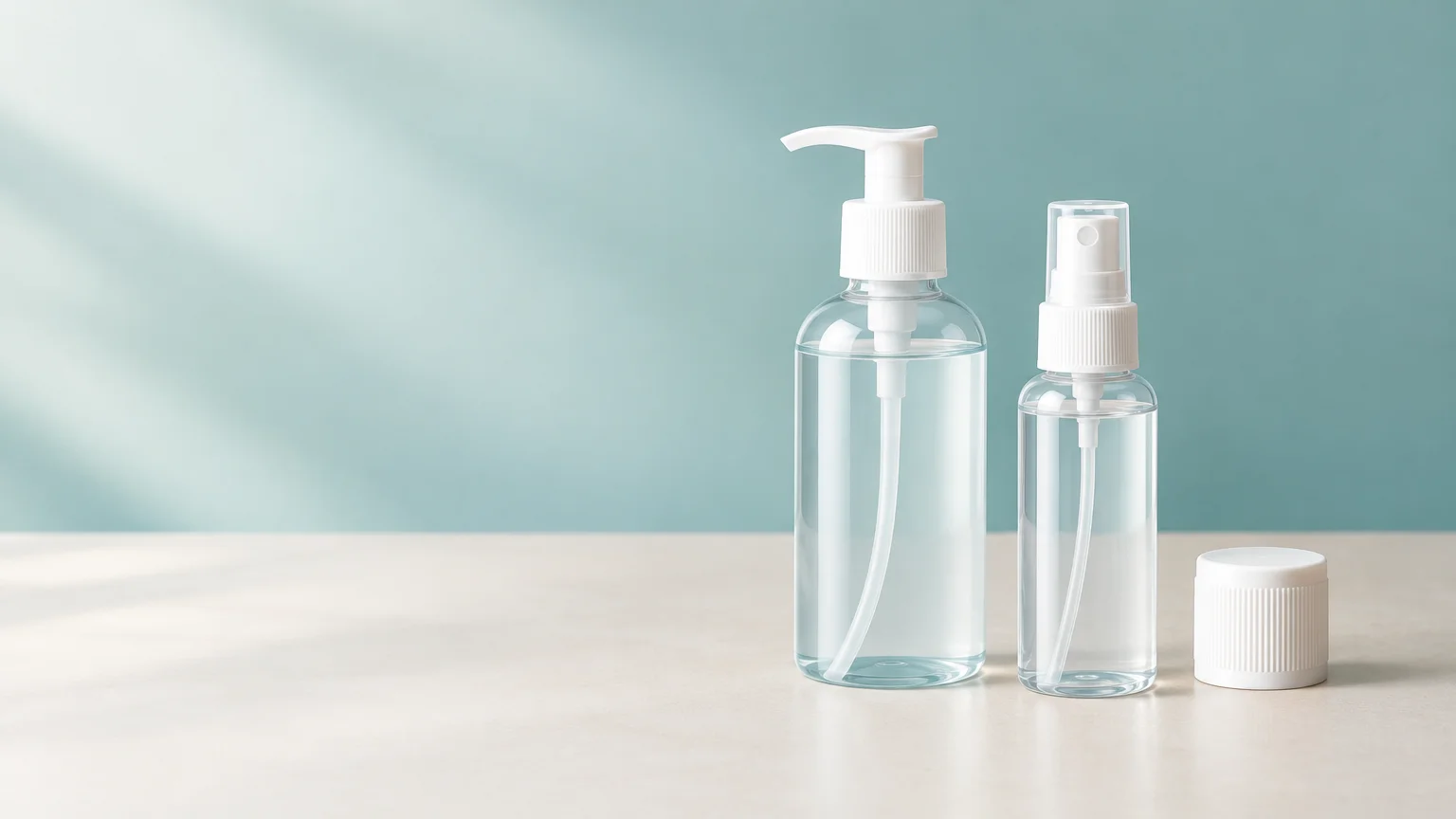
Summary: Reliable packaging supply means receiving components that match agreed specifications, perform consistently, and arrive on a clear schedule. Look for written quality checks, relevant samples, transparent manufacturing and sourcing, and specific delivery terms. Then confirm who handles changes or defects before you commit to a bulk order.
One mismatched pump or leaking bottle can disrupt a product launch, even when the quotation looked right. To assess signs of a reliable packaging supplier, look beyond price and ask how the supplier will meet your specification, check production, and resolve a problem. Our guide to how to choose a reliable packaging provider can help you frame those questions before you request a quote.
Reliability is not a single certificate or a polished sample. It is a repeatable process, with records and clear responsibilities from sample approval through production and shipment. For dispensing packaging, that means checking the bottle, closure, pump or sprayer, and their fit with your product and filling process.
What exactly must the supplier deliver?
Start with a written specification that both sides can check. List the component type, dimensions, neck size, material requirements, color, finish, decoration, and any dispensing or sealing requirements. For a pump and bottle set, specify how the parts should fit together and what a successful dispensing test looks like.
Define acceptable variation and inspection expectations before production, not after a batch arrives. Ask which checks happen during production and before shipment, how results are recorded, and how a nonconforming lot is handled. A clear specification lets you compare samples and deliveries against the same agreed criteria.
Packaging defects can have real consequences. The U.S. Defense Logistics Agency reported that, in FY 2023, one in every 15 new procurement receipts had a packaging or marking defect requiring correction before acceptance. That figure applies to its procurement context, not to packaging suppliers as a whole, but it illustrates why written requirements and inspection matter. See DLA’s FY 2023 data.
Can the supplier show quality controls and traceability?

Ask for evidence of the checks behind a quality claim. Useful records can include inspection criteria, test results, batch identification, and examples of how the supplier records and resolves defects. Match the checks to your packaging: a lotion pump may need a dispensing and leakage check, while a closure needs to fit and seal its intended container.
For consumer products subject to its rules, the U.S. Consumer Product Safety Commission advises businesses to consider a reasonable testing plan and retest when material or process changes could affect compliance. Its testing guidance is a useful reminder to ask what changes trigger new checks. Confirm which requirements apply to your own product and market.
Certifications can support an assessment, but check the actual document. Ask which standard it names, which production site and activities it covers, and whether it is valid. A broad claim without a certificate’s scope does not tell you whether the relevant factory or process is included.
At PumpsSpace, our self-owned laboratory supports quality-control testing, and third-party reports are available on request. Ask us which tests and records apply to your particular components so you can assess the evidence against your specification.
Does the sample work under your actual use conditions?
A sample is useful when it represents the components you plan to order. Check the fit, finish, closure, dispensing action, and any decoration. If possible, test the packaging with your product and filling equipment, rather than judging appearance alone. Record the approved sample and its key details for comparison with production.
Ask whether the sample is a standard item, a production-equivalent sample, or an early custom prototype. Those distinctions affect what the sample can demonstrate. For example, a prototype may show the intended shape but not confirm that a final material, finish, or production process is identical.
For bulk orders, a documented sample approval gives both parties a reference point if questions arise later. You can request packaging samples before placing a bulk order and confirm which items, quantities, and sample terms are available for your project.
Who makes each part, and how are changes controlled?
When a supplier uses more than one factory, ask who makes each component and who checks it. Confirm where production takes place, who manages inspection, and how the supplier will tell you about a change to the material, process, or production site. This helps you understand responsibility across the supply chain.
Traceability matters when you need to identify which batch was affected or compare one production run with another. A 2025 packaging supplier manual from Hershey, for example, covers specifications, incoming inspection, material traceability, and storage and transportation controls. Its requirements are buyer-specific, but the topics show the kinds of records worth discussing. Read Hershey’s supplier manual.
We manufacture some packaging in our Guangzhou factory and source products outside our production range through partner factories. For your project, ask us to identify the manufacturing source for each component and explain how quality checks are handled. If you need coordinated components for a filling operation, our page on packaging suppliers for filling factories describes that type of supply need.
Are capacity, timing, and communication clear?
A dependable schedule separates sampling, approval, production, inspection, and shipment. Ask when the clock starts, what could change the timeline, and when you will receive updates. Confirm whether the quoted date means the goods are ready at the factory or delivered to your destination.
For general pump and bottle projects, we aim to shorten the total lead time to 30 days or less. Treat that as a project target, then ask us to confirm your specific schedule in writing, including any customization and shipping stages. A clear quotation should also state the order quantity, customization scope, and any conditions that affect timing.
Communication is part of reliability because specifications and schedules can change. Before ordering, identify your contact, the person who approves changes, and how urgent quality or delivery issues will be escalated. A useful test is to send a focused question about one specification and see whether the response addresses it clearly.
What should your pre-order scorecard include?

Before you commit, compare suppliers against the same practical checks. A lower unit price does not resolve uncertainty about samples, quality records, production responsibility, or delivery. Use a short scorecard and note what has been confirmed in writing.
- Specification: Are components, materials, dimensions, and acceptance checks documented?
- Samples: Can you inspect relevant samples and test them in your intended use?
- Quality records: Can the supplier explain inspections, test evidence, and defect handling?
- Manufacturing source: Is it clear which factory makes each component and who checks it?
- Schedule: Are production stages, shipment timing, and possible delays stated?
- Communication: Do you know who handles approvals, changes, and problems?
If important answers remain verbal, request written confirmation before placing a bulk order. Keep the approved specification, sample reference, quotation, and schedule together. Those documents give you a shared basis for checking the order as it moves from approval to shipment.
Choose evidence you can check
A reliable packaging supplier can explain what it will deliver, show how quality is checked, identify who makes each component, and put timing and responsibilities in writing. Review a relevant sample against your specification, then keep the approval and order documents as references. These steps make reliability easier to assess before a bulk commitment and easier to discuss if a delivery differs from what you approved.
Discuss Your Packaging Sourcing Needs
If you are comparing suppliers, begin with the components, test evidence, manufacturing source, and delivery schedule your project requires. Clear details help you assess whether standard products, custom manufacturing, or partner sourcing fits your order.
We supply pumps, sprayers, bottles, caps, and closures, manufacturing some products in our Guangzhou factory and sourcing others through partner factories. Our self-owned laboratory supports quality-control testing, and third-party reports are available on request. For general pump and bottle projects, we aim for a total lead time of 30 days or less, subject to confirmation for your specific project. Explore our packaging sourcing services to discuss your requirements and the checks that matter before ordering.
Frequently Asked Questions
What should I ask a packaging supplier before ordering?
Ask for the written specification, sample details, quality checks, manufacturing source, and project schedule. Confirm who handles changes, defects, and delivery updates.
Which checks matter for pump and bottle packaging?
Check component fit, closure sealing, dispensing performance, appearance, and compatibility with your product and filling process. Agree on inspection criteria before production.
Does an ISO certificate prove a supplier is reliable?
A certificate can support your review, but verify its standard, scope, production site, and validity. Also assess relevant samples, quality records, and change controls.
Is partner-factory sourcing necessarily unreliable?
No, but you should know which factory makes each component and who is responsible for inspection. Ask how changes and quality issues are tracked across the supply chain.
Can I request samples from PumpsSpace before a bulk order?
We may offer 1 to 5 free samples before a bulk order. Confirm sample availability and the applicable terms for your project.
Welcome to the
Your go-to destination for packaging tips, the newest packaging trends, and inspiration.
We’re the pro supplier and manufacturer of all kinds of bottles and sprayers, feel free to talk about your requirements.
Follow us on: